Small Details, Big Impact: A Guide to Upgrading Window Locks and Latches
In major home renovations, it’s often the finer details that are overlooked. Door and window handles and locks might not carry the same aesthetic weight as revised floor plans or new kitchens, but don’t let their small footprints dissuade you from their importance. Handles and locks are vital for home security and safety, preventing entry or accidental falls, while ensuring optimal ventilation and durability to withstand harsh Australian weather.
Time for a Replacement
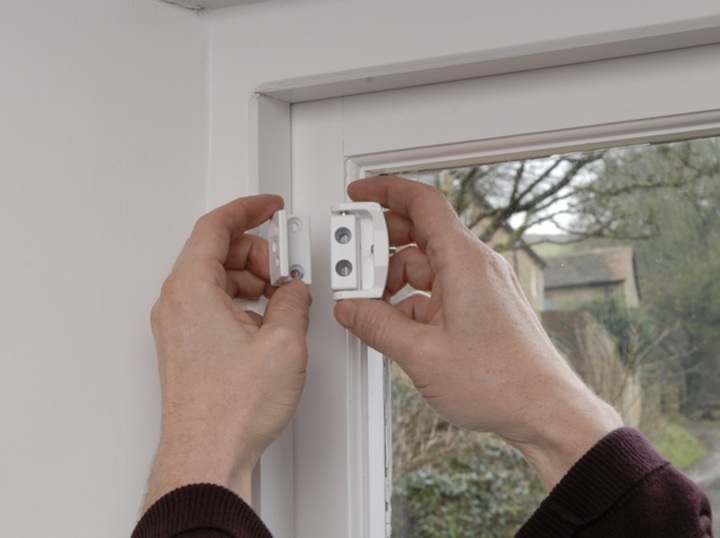
The benefit of new windows is their effortless functionality. They open and close smoothly, hardware and locks ensure optimal security and peace of mind, and sashes seal tightly against frames to prevent drafts. Frequent use, inclement weather, and material and build quality all determine functionality and durability, to the point where handles feel loose, locks don’t engage, and windows are harder to open or close.
Grinding noises and visible wear are the tell-tale signs that the window hardware needs replacing. Besides rollers, guides and tracks in sliding windows, or chain winders and cam handles in awning windows, it’s the handles and locks in casement windows that are frequently replaced, especially in newer homes. This window style is preferred for its superior ventilation, unobstructed views, energy efficiency and the choice of low-cost yet durable materials, such as PVC, that perform admirably in typical Australian conditions. And they’re designs that make up the majority of window styles in new or recent house stock. While solidly built units last for decades, an easy-to-use casement window lock is often the first component needing a makeover.
Key Components and How They Work
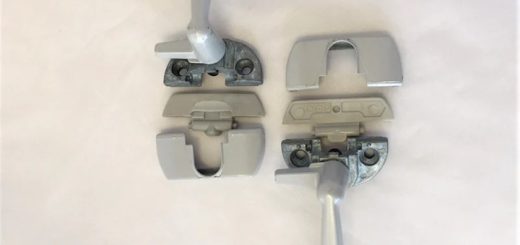
Casement windows rely on several components for effortless locking, opening, and closing. This includes an interior cam handle located on the side or the bottom, or the window frame; locking cams- basically oval or round metal pegs attached to a hidden metal tie bar running vertically inside the frame, and heavy-duty strike plates or metal brackets mounted on the sash and designed to receive the locking cams.
Engaging the lock is made by rotating the handle. This shifts the tie bar and rotates the locking cams until they sit securely against the strike plates. While loose cams and hardware are the result of forced prying or overzealous use, they can easily be adjusted to ensure that the sash sits firmly against the frame to bar wind and rain, or prevent forced entry.
Common Casement Window Lock Types
Multi-point Locks
These are now the more common casement window lock types in new windows. Instead of locking in a single point, a multi-point lock secures the window at the top, centre and bottom with a single turn of the handle. The design provides enhanced home security against break-ins, superior sealing and increased structural stability, preventing warping in frames.
Single-point Cam Locks
These are popular choices for smaller windows, locking the cams into a single point in the frame. They’re prized for straightforward functionality, low cost, fewer components, and reduced maintenance requirements. They’re also optioned in windows with slimmer profiles. While the compact design is easier to clean and maintain, single-point cam locks pale in comparison to multi-point locks in terms of overall security and safety.
Keyed Locks
If enhanced security is the main concern, consider keyed casement locks and latches. These include a secondary locking point within the handle, making it more difficult to pry the window open from the outside. Moreover, they’re essential in households with children and pets, as they prevent accidents and falls.
Key Buying Considerations
Upgrading or replacing older window hardware involves several crucial factors:
- Prioritise quality materials and builds: Always choose locks built from quality materials. These ensure long-term durability and functionality in daily use, and when preventing forced entry. Zinc alloys are a common material for handles, preferred for workability, ergonomic and aesthetically pleasing profiles. Aluminium is frequently used in locking mechanisms, tie bars, and in frames, balancing strength, corrosion resistance and manageable weight. And stainless steel is the preferred choice in cams and strike plates, due to its high tensile strength and rust resistance.
- Consider safety compliance: Whether upgrading door hardware or window locks, safety compliance is a key component. Rules set by bodies like the National Construction Code (NCC) and the Building Code of Australia (BCA) determine specifics like force requirements – or the maximum outward force locks and windows can withstand without breaking, and keyed or two-step button mechanisms to comply with child safety in multi-storey residential buildings.
- Pairing Lock and Handle Aesthetics: The positives of renovations are combining different elements to meet personal tastes and styles. Here, colour options and window handle and lock finishes can be used to draw attention, or alternatively, hide in the background. Choose matte or gloss black, painted white, brushed steel or polished gunmetal finishes and ensure they work with the rest of the window hardware and are sourced from the same supplier to rule out compatibility issues.