How to Choose a Commercial Pie Warmer: A Complete Buyer’s Guide
Busy cafés, bakeries, takeaway shops, and service stations all rely on hot food displays to encourage quick purchases throughout the day. A golden pie or freshly baked sausage roll sitting in a warm, well-lit display often tempts customers before they even look at the menu. In fast-moving hospitality environments, presentation can be just as important as flavour.
The right display setup helps maintain food quality, keeps service running smoothly, and encourages impulse purchases from hungry customers on the go. Choosing the right equipment also helps staff manage busy rushes more efficiently while keeping products hot, fresh, and visually appealing.
Start by Considering Your Business Type
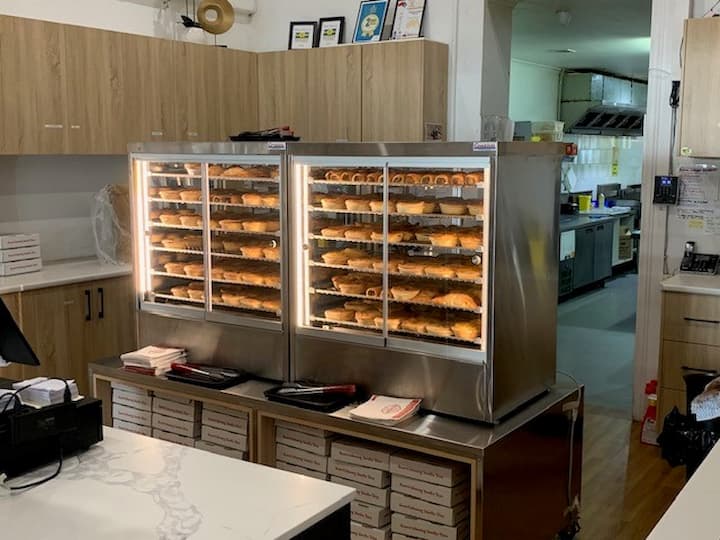
Different businesses have different priorities when choosing a commercial pie warmer cabinet, so it helps to know how the unit will actually be used each day.
Cafés and Coffee Shops
Smaller cafés often benefit from compact countertop models positioned near the register. Visibility is important because many customers make spontaneous food purchases while ordering coffee. In these spaces, presentation and space efficiency usually matter more than maximum storage capacity.
Bakeries
Bakeries often need larger display areas to showcase multiple hot products at once. Alongside pies, there may also be sausage rolls, pastries, and savoury snacks that require organised shelving and strong visibility.
Convenience Stores and Service Stations
These businesses typically experience higher food turnover throughout the day. Larger-capacity units are often more suitable because products need frequent restocking during busy periods. Durability is also essential for equipment operating long hours every day.
Takeaway Shops and Food Courts
Fast-paced takeaway environments usually have practical designs that provide quick access and easy cleaning. Staff may constantly open and close the cabinet during service, making accessibility especially important.
Choosing a pie warmer cabinet that matches your business needs from the beginning can improve workflow and help avoid unnecessary upgrades later.
Why Your Choice Matters
Many business owners assume all food warmers perform the same job, but the quality and design of the cabinet can have a major impact on daily operations.
One of the biggest factors is temperature consistency. Customers expect pies and pastries to be evenly heated, not dry around the edges or cold in the middle. A reliable warmer helps maintain stable temperatures throughout the day while protecting the texture and flavour of the food.
Presentation is equally important. Clean glass panels, proper lighting, and organised shelving all help products look more appetising. Customers are far more likely to purchase hot food when it looks fresh and easy to access.
Workflow also matters during busy service periods. Staff need quick access for restocking and serving without struggling with awkward shelving or difficult doors. A well-designed warmer can improve efficiency during breakfast and lunch rushes.
Another benefit is reduced food waste. Heat distribution and humidity control can help products stay fresh for longer, giving businesses more flexibility during slower trading hours.
Choose the Right Size and Capacity
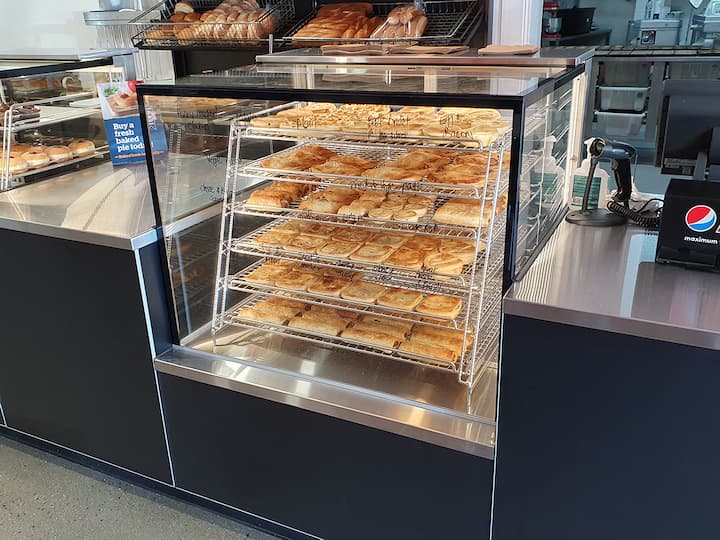
Selecting the correct size is one of the most important parts of buying pie warmers. A unit that is too small may lead to overcrowded shelves, poor airflow, and less appealing product presentation. Customers are more likely to purchase food that looks organised and easy to see.
On the other hand, buying an oversized cabinet may waste electricity and take up valuable counter or floor space. When deciding on capacity, consider your average daily sales as well as peak periods. A small café selling twenty pies daily has very different requirements from a busy convenience store serving hundreds of customers.
It is also worth considering whether you plan to display more than pies alone. Many businesses use warmers for sausage rolls, pastries, sandwiches, or other grab-and-go snacks.
Before making a purchase, ask yourself these practical questions:
- How many hot items will be displayed at once?
- Will demand increase during colder months?
- Do you need extra room for future menu additions?
- How often will staff restock the cabinet?
Finding the right balance between capacity and efficiency usually delivers the best long-term value.
Countertop vs Freestanding Warmers
Once you know the required size, the next decision is the choice between countertop and freestanding units.
Countertop Warmers
Countertop warmers are ideal for smaller cafés, kiosks, and takeaway stores with limited space. Their compact size makes them easy to place near the point of sale, helping encourage impulse purchases while customers wait.
They also allow staff to access products quickly during busy service periods. For businesses with moderate food turnover, countertop units often provide enough storage without overcrowding the workspace.
Freestanding Warmers
Freestanding models are usually better suited to larger operations with higher sales volumes. These units offer greater storage capacity and more shelving, making them ideal for bakeries, service stations, and busy takeaway stores.
Larger units can also provide stronger heat circulation and more advanced temperature controls, helping maintain food quality during long trading hours. The right option depends on available space, customer demand, and daily workflow requirements.
Energy Efficiency, Food Safety, and Temperature Consistency
Commercial kitchen equipment often operates for long hours, so energy efficiency should always be considered.
Well-designed cabinets help reduce electricity costs while still maintaining reliable performance. Features such as insulated glass, quality heating systems, and stable temperature controls can improve efficiency over time.
Food safety is equally important. Hot food must remain at safe serving temperatures to reduce the risk of bacterial growth. Consistent heating also helps preserve texture and flavour.
Humidity control can make a noticeable difference as well. Quality pie warmers help keep pastry crisp while preventing fillings from drying out too quickly. Easy cleaning is another feature worth prioritising. Stainless steel interiors, removable shelves, and accessible trays make daily cleaning faster and more manageable for staff.
Common Mistakes to Avoid
One common mistake is choosing equipment based only on price. Cheaper models may struggle with durability, temperature consistency, or long-term performance.
Another mistake is failing to measure available space before purchasing. A cabinet that disrupts staff movement can slow service during busy periods. Some businesses also underestimate future growth. Choosing flexible warmers with slightly more capacity can prevent replacement costs later.
Visibility and cleaning access should never be overlooked. Customers are more likely to buy food that looks fresh and organised, while easy cleaning helps maintain hygiene standards.