A Simple Guide to Dress Code for Bartenders
Bartenders are often the first people guests interact with, which means they set the tone for the entire visit. Their role goes far beyond mixing drinks. Through their professionalism, skills, and appearance, they help create a welcoming atmosphere that shapes the overall guest experience.
Practice shows that a bartender’s style is crucial to the guest experience as their appearance is closely tied to hospitality, trust and customer satisfaction. But aside from choosing the perfect apron, you certainly shouldn’t forget about the entire bartender uniform.
What Is the Dress Code for a Bartender?
First things first, when in search of a uniform bartender prioritises comfort, safety and appearance above all. Usually, a uniform for a bartender consists of durable black pants, a collared shirt, a branded top, an apron and non-slip footwear. While this uniform is generally accepted, you should know that there are exceptions to this practice, especially in the high-end lounge bars and restaurants, where a bartender might be required to wear a waistcoat and a tailored jacket. A bartender in a casual pub, on the other hand, might have a more casual appearance, consisting of wearing darker jeans and a branded tee or polo shirt instead of a button-down shirt. Given that this depends on one hospitality venue to another, these are the general things a bartender is supposed to wear to look professional, stylish and polished at the same time.
Shirt
Dressing as a bartender is all about looking professional and smart, and a look of this kind cannot be achieved without the good old white shirt. Before each shift, make sure to have a freshly cleaned and ironed white shirt for a crisp and more polished appearance. While the white shirt is the oldest and most commonly used shirt colour, this doesn’t mean that some venues don’t require other colours, mainly black, navy and light blue. In fact, a black shirt is maybe one of the smartest decisions since this colour shows spills the least.
Black Tailored Trousers
The first and most accepted type of bottom worn by a bartender is the black tailored trousers. These pants are certainly the most formal, sleek and professional-looking bottoms. They’re a symbol of professionalism. That’s why they are the most widely used bottoms in most hospitality venues. But once again, some hospitality venues are okay with their bartenders wearing khakis, chinos and even jeans.
Shirt Stays
Have you ever noticed that the bartender’s shirt always stays in place? It’s always so neatly tucked in, even when reaching for glasses or mixing cocktails. And the secret to this is using shirt stays. These fashionable accessories have been around for a long time and have proven to be super handy. They’re designed to be worn beneath the trousers and attached to the bottom of the shirt and socks, keeping everything in place.
Sleeve Garters
Even though it’s not mandatory, it isn’t strange seeing a bartender wearing a sleeve grater as part of his uniform. These graters give an old-school vibe for sure, creating a smart and professional appearance, especially when worn over a white shirt. They’re designed to be worn over the sleeves, allowing you to customise their length for a perfect fit. This was their exact purpose back then: to help men adjust the sleeves on the standard shirt sizes, keeping sleeves from looking messy.
Waistcoat
The truth is that waistcoats aren’t a mandatory piece of clothing, however, some bars and lounge bars prefer them mainly because of their polished appearance. In some places, the use of a waistcoat is all up to the bartenders themselves, but those who wear it swear by its classy and elegant appearance. Others prefer wearing a waistcoat because it provides a certain protection against spills, which can be quite helpful, especially for those wearing white shirts.
Is There a Difference Between a Male and Female Bartender’s Uniform?
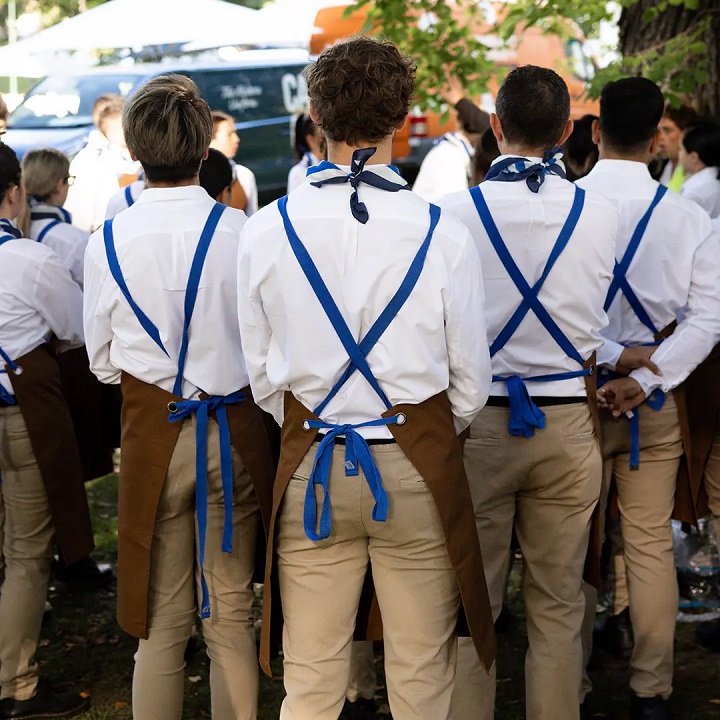
The truth is that there’s a slight but not significant difference between male and female bartender clothing. Usually, the men’s uniform consists of tailored pants, a button-down shirt, an apron and a waistcoat on some occasions.
The female uniform, on the other hand, can consist of tailored pants, but also skirts. Shirts are a must, as well as blouses on some occasions. Wearing a dress is also an option.
As you can see, the choice of bar uniforms is extensive and varies from one hospitality establishment to another. The only thing that stays the same is that all types of uniform pieces should be comfortable, stylish and well-fitted, made from durable materials that’ll withstand daily wear and tear. Finding such these days is super easy, if looking at the right place. So, make sure to do your research and find a store that specialises in uniforms, as most of them also offer printing and embroidery services, perfect for branding.