Understanding Press Brakes: How They Work and What to Look For
Custom metal fabrication shops, specialised manufacturing companies and construction component suppliers rely on press brakes to bend and shape sheet metal into complex, precision parts. This includes everything from car body panels and electrical enclosures to kitchen appliances and metal roofing panels. The machines provide extreme accuracy, repeatable results, versatility with different metals, and fast production times – making them an essential component in metal fabrication.
Press Brake Basics
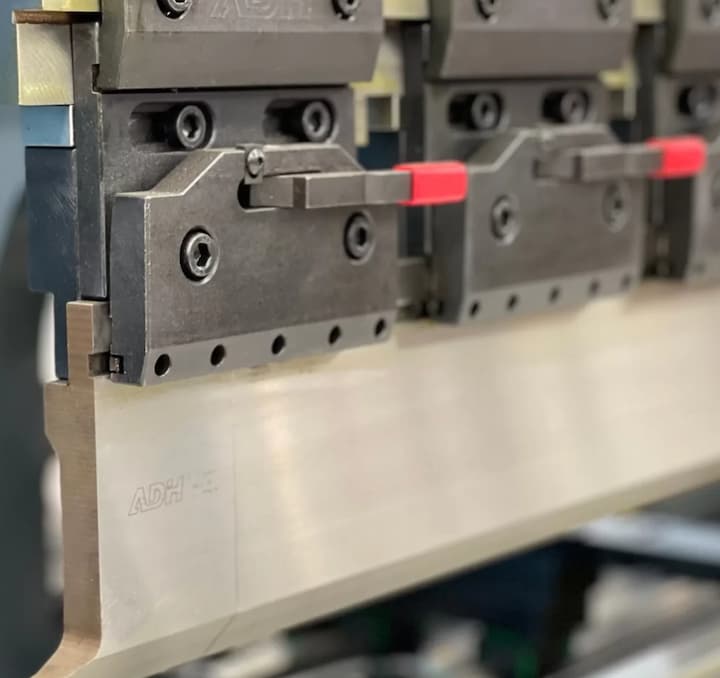
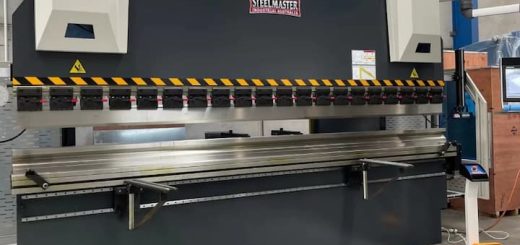
A press brake is a heavy-duty manufacturing machine tool used to bend and shape flat sheet metal at desired angles and into structural components. During the bending process, pressbrakes clamp metal sheets between upper punches and bottom dies. Force applied through the punch by hydraulic, mechanical, or electric systems pushes the metal beyond its elastic limit, causing it to permanently take the shape of the die. The final bending angle and radius depend on the punch and die geometry, the amount of force (tonnage) applied, and the punch stroke, which determines how far the punch travels during the bending operation.
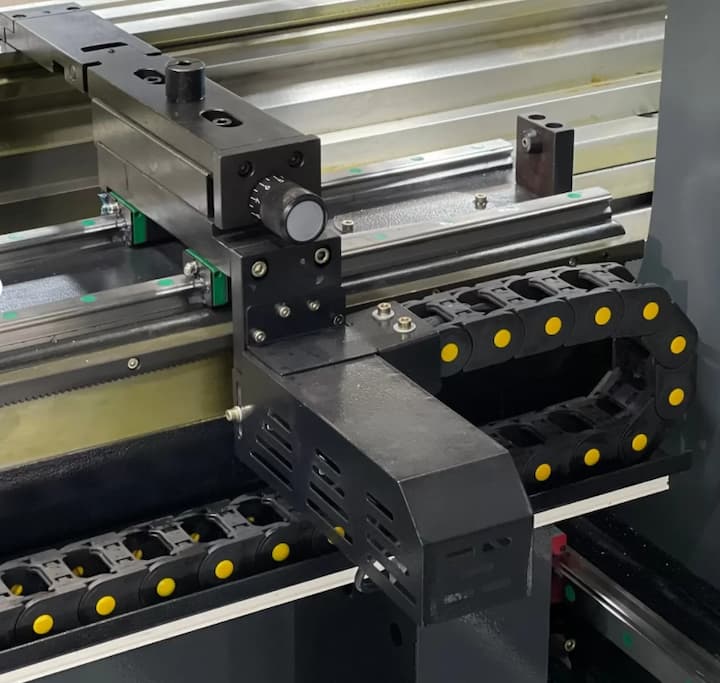
Besides punches and dies, press brakes consist of a frame, bed, ram, back gauge and control system. The frame is the rigid structural foundation that supports the machine and absorbs the extreme forces during bending. The bed or bench is the sturdy, stationary bottom part of the machine, housing the die and providing a stable surface for the sheet metal. Above this is the ram or upper beam that moves when driven by a hydraulic or servo-electric power source and houses the punch. Adjustable back gauges ensure precise workpiece positioning, while computer numerical control provides automated adjustments to bending angles, tonnage and ram and back gauge control.
Common Pressbrake Types
There are four main types of press brake machines:
- Hydraulic: These are the most common, feature hydraulic cylinders and pressurised oil to exert high tonnage from rams and punches and are ideal for heavy-duty fabrication, often with thicker metal sheet and larger workpieces.
- Electric (servo) press brakes: Instead of oil, electric pressbrakes use high-precision servo motors to move the ram. The machines use considerably less power compared to hydraulic press brakes, but at the expense of lower tonnage. They are, however, preferred for their quiet operation and high precision.
- Hybrid: These combine the design features of both electric and hydraulic machines, offering a balanced combination of high tonnage, high precision, quiet and efficient operation and the ability to work with thicker metal sheets and produce complex bends and profiles.
- Mechanical: Arguably the most affordable, these use a motor, flywheel and clutch system to drive the ram. Mechanical machines are ideal for higher volumes in less complex geometries, meaning limited versatility with metal thicknesses and possible profiles.
Key Benefits
High Precision and Repeatability
Modern press brakes and those with CNC capabilities offer fabricators extreme accuracy. Automated back gauges provide precise sheet metal positioning, crowning mechanisms compensate for angle deflection during bending, and numerical and computer controls determine factors such as the correct tonnage and depth of stroke. They also move the ram and punch within hundredths of a millimetre to achieve the tight tolerances required for precision components.
Moreover, results can be repeated countless times. This ensures the efficient assembly of formed parts, reduces waste and reject rates, and streamlines quality control in mass-produced componentry.
Versatility and Adaptability
The capability for complex geometries, varying angles and effortless bending of a variety of metals in varying thicknesses means versatility across different applications and industries. Press brake tooling and tonnage can be easily adjusted to handle softer (aluminium and copper) or harder (stainless and tool steel, titanium, nickel alloys) metals and alloys, preventing deformation or cracking. The machines also deploy a variety of bending techniques, such as air bending, bottom bending and coining, to produce shapes and profiles ranging from simple right-angle brackets to complex, multi-bend profiles.
Efficiency and Speed
Fast bending and fabrication mean a press brake machine reduces overall operational costs, boosts throughput in high-volume production and significantly reduces material waste. Here, advanced CNC capabilities shorten back gauge and tooling setup times and eliminate the need for manual positioning. High precision additionally ensures correct tolerances even during the first bend. And repeatability in bending sequences means replicated parts are ready in minutes, with no changes required.
Reduced Operational Costs
Machines capable of working independently round the clock minimise the reliance on skilled labour, lowering the cost per part. Additionally, servo-electric and hybrid machines (with hydraulic power only during the bending cycle) reduce operating and maintenance costs.
Main Buying Considerations
- Metal thickness and type: Softer, thinner aluminium metal sheets require machines of lower tonnage, largely to prevent deformation. Conversely, thicker sheets of harder steel or alloyed metals need higher tonnage due to the material’s higher inherent rigidity. Choose press brakes that can adequately bend the metal you commonly work with, and include 20% to 30% more bending capacity for more demanding tasks.
- Production volumes and part complexity: Determine whether you’re producing one-off prototypes or running high production volumes. CNC machines work best for varied geometries, fast production and high turnouts. They will, however, come at a higher purchase cost. For repetitive tasks and simple bends, also consider manual press brakes. Larger fabrication shops combine multiple pressbrake types, with each machine assigned specific bending tasks.
- Safety and convenience features: Current pressbrake models come with multiple safety features, including light curtains to prevent accidents and injury; emergency stop buttons to forcefully cut power; and interlocks to prevent unsafe bending. CNC machines top the list for outright convenience, adding automated workpiece feed, back gauge and tooling positioning and bending along multiple axes.
- Maintenance requirements: High-tonnage hydraulic machines need annual oil and filter replacements, checks for ram and punch alignment, and general checks of the hydraulics. Fewer parts in electric and hybrid press brakes mean lower maintenance costs, usually due to the condition of the electric motors. Clean tooling, rams and beds after each bending session, check tooling for damage and rusting, and conduct regular monthly inspections to keep machines in top condition.