4×4 ATV Parts: Essential Upgrades for Performance, Protection and Reliability
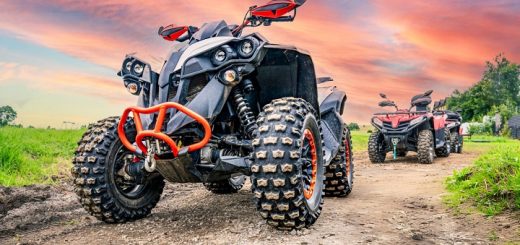
Top-of-the-line performance ATVS and side-by-sides may have ceased sales in Australia due to strict safety requirements, but that doesn’t mean you can’t upgrade and accessorise older quad bikes and work-oriented UTVs. These are readily found on the used market, either as private listings or through dealerships, many fitted with compulsory operator protection devices against rollovers. There’s also no shortage of aftermarket components that help improve your quad’s performance, durability and suitability to different tasks and terrain.
Upgrading Quad Bike Performance with Aftermarket Drive Belts
Most ATVs rely on synthetic rubber or reinforced aramid drive belts for power transfer. Durable and trail-ready 4×4 ATV parts connect the drive pulley, powered by the engine crankshaft, and the driven pulley connected to the axles, ensuring crisp and responsive throttle. Worn, slipping and damaged belts result in power loss, slipring clutches and burning smells at higher engine loads. Replacing these with better-built heavy or extreme-duty variants warrants consistent performance, smoother power and reduced issues with clutch pulleys.
Choose a belt according to overall length, width and tooth count to ensure it sits nicely with the clutch pulleys and that it is rated for your quad’s engine power. This roughly correlates with displacement, with different drive belts suitable for 350cc, 800cc and 1000+cc quad bike engines. Also, take into account materials. These ensure optimal power under heavy loads, continuous stretching and high temperatures. Go with Kevlar (aramids) or carbon fibre in load-bearing elements such as the drive belt tensile cords, and synthetic rubber in surrounding teeth and side walls for flexibility and durability at varying engine loads.
Durability for Any Terrain with Extreme Duty Axles
CV axles are what turn the wheels. These assemblies consist of metal centre shafts, inner and outer joints and flexible rubber CV boots. Together, the parts ensure engine power gets to the wheels, that the wheels rotate uninterruptedly (and at different speeds from each other in turns) and that external contaminants (moisture, mud, debris) don’t interfere with power transfer or cause damage. They also have weight-loading tasks, supporting the weight of the quad and rider along with the suspension.
Costlier quads often (but not always) go with extreme-duty axles that can handle higher engine loads, for example, in racing applications or when hauling gear on farms or worksites. However, common signs of axle failure, such as clicking and popping sounds, hesitation with the throttle open or slipping gears, appear sooner than later, even in bikes that don’t see frequent or demanding use. Punctured boots, leaking grease and bent shafts render the quad useless by cutting power.
As with drive belts, choose extreme-duty aftermarket axle replacements with thicker, high-grade steel shafts, CNC-machined joint splines, heat-treated joint bearings and high-temperature moly grease to reduce friction and limit wear. To ensure consistent performance in left and right and front and rear wheels, it is a good idea to replace axles in matching pairs. This also prevents instances of steering or suspension issues, including pulling to one side, or uneven rebound rates.
Protecting Your Bike with Bumpers and Skid Plates
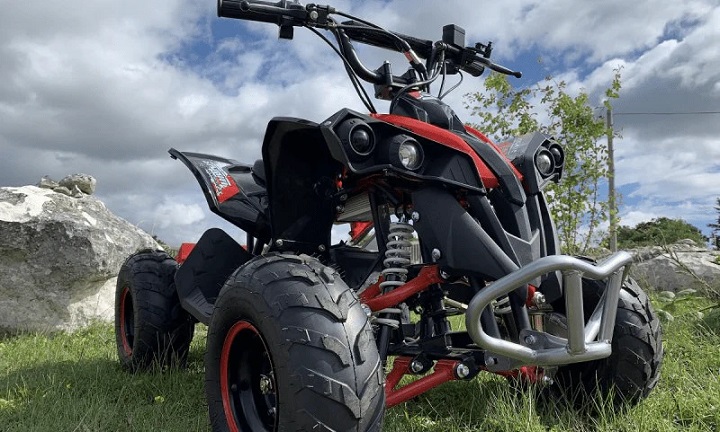
To prevent common mishaps and accidents, fit your quad with protective body parts. Front and rear bumpers deflect branches, prevent scratches and dents from flying rocks and protect fragile engine parts like the radiator. Bumpers also absorb impact in head-on collisions, keeping the frame and chassis intact. Well-appointed bumpers additionally have mounts for off-roading and work essentials, including winches and light bars, which increase flexibility and safety on varied terrain and demanding work tasks.
Choose wrap-around steel tube bumpers for a balanced mix of low weight and tensile strength; opt for thicker aluminium plate bumpers to protect the headlights in high-speed runs, and choose winch bumpers to integrate winches and winch cradles when hauling heavy loads or for self-recoveries. Lighter plastic types made from impact-resistant HDPE are another option for competitive racing.
For all-round protection, pair front and rear bumpers with skid plates. These protective 4×4 ATV parts come in three basic varieties. Full Ultra-High Molecular Weight (UHMW) or aluminium skid plates provide edge-to-edge protection in rough and rocky terrain, preventing damage to oil pans, frames and engine cases. While separate front and rear plates shield exposed steering and transmission components (steering racks, differentials, axles), and are often paired with CV boot guards to prevent punctures and brake damage.
When buying, consider compatibility, build quality and pricing. Compatibility ensures a clean fit, that parts provide the advertised performance, protection and durability and that there are no additional modifications during installation. Build and materials determine strength and durability, with smooth power transfer, the ability for higher engine loads, and protective parts that shield you and the bike in minor scuffs or more serious collisions.
Lastly, pricing often relates to quality workmanship, perceived style and branding. Choose ATV parts from established manufacturers to ensure they perform and last. Aftermarket options are often a better choice, with a wider variety and lower prices compared to direct OE replacements.