Heated Towel Rails: Prevent Bathroom Damp While Keeping Your Towels Odour and Mould-Free
There’s nothing more unpleasant than drying your body with a damp towel, especially with one that has developed a musty smell. The smell is revolting, and tossing those towels often feels like the easiest fix. However, doing this should be the last thing on the list.
Dampness is the real issue. It creates the perfect environment for bacteria, mould, and mildew to grow, which is why the smell keeps coming back. While avoiding fabric softener and washing them frequently with vinegar and baking soda can help remove the musty smell, drying them thoroughly after every use is even more important. Without this, the musty smell will appear over and over again. Proper drying is what stops the cycle. One of the easiest, fastest, and best solutions for doing so is with the help of heated towel rails.
What Makes Heated Towel Rails the Perfect Solution?
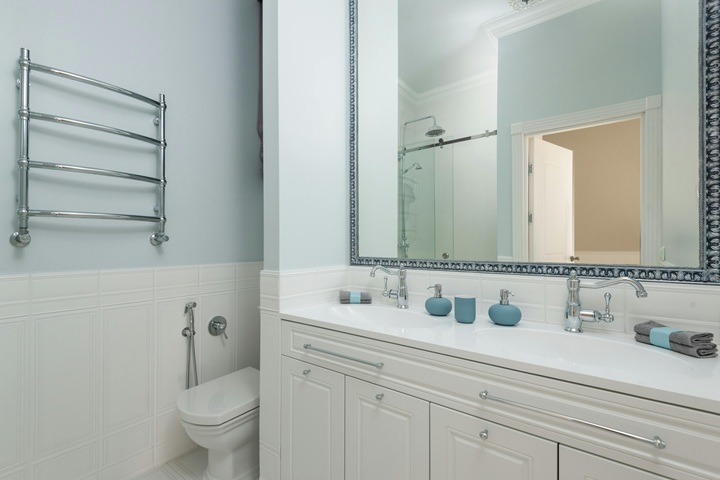
Transforming a bathroom space often focuses on replacing appliances and updating wall colours. However, one appealing yet beneficial addition is often overlooked: the heated towel rail. The truth is, heated towel rails have become a common feature in Australian bathrooms, and for good reason. This functional upgrade not only looks stylish but also serves its primary purpose of drying towels effectively. Heated towel rails are especially useful during colder months, when air-drying towels outdoors becomes difficult. With towel rails in place, there’s no need to deal with damp towels that develop a musty smell or feel unpleasantly cold on winter mornings.
From another perspective, these well-designed heated rails do more than keep towels dry. They help reduce moisture build-up, limiting the chance of bacteria and mould developing on towels. At the same time, they assist with managing humidity levels in the bathroom, which lowers the risk of mould, dampness, and mildew forming on walls and grout.
Finally, you can easily find practical heated towel rails Australia wide in various materials and colours that suit a wide range of bathroom styles. Whether you’re after a modern or classic design, there’s an option to complement your space.
Material Types
Stainless Steel
Stainless steel is one of the most commonly used materials for this purpose, and for good reason. Usually made from 304-grade steel, these heated rails conduct heat around 15% more effectively compared to other types of steel. Rails made from this material require less energy to provide the same level of warmth, which can have a positive impact on energy bills.
Another great benefit of this material is that it’s super resistant to rust, making it the perfect solution for drying wet towels. These rails also come in a selection of finishes, including silver, white, and chrome, which further explains their popularity.
Aluminium
Aluminium is another popular choice for bathroom towel warmers. Even though aluminium is considered a lightweight material, it seems that despite this, aluminium rails are excellent heat conductors and can reach the desired warmth very quickly.
Just like stainless steel, aluminium radiators also use less energy to heat, which leads to reduced energy bills. Being a flexible and easily mouldable material, aluminium can be shaped into more appealing and intricate designs. Keep in mind, however, that they are generally pricier than stainless steel due to higher manufacturing costs.
What Type of Heated Towel Rail Is Best?
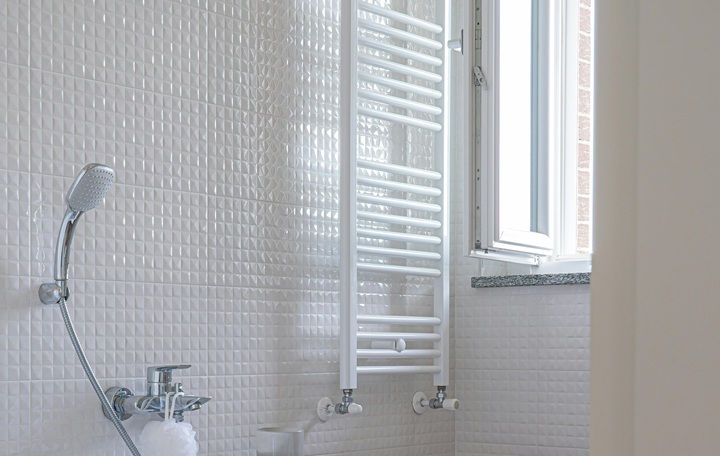
The truth is that both stainless steel and aluminium models have their advantages; however, it seems that people prefer to use stainless steel more than aluminium because of their greater cost-effectiveness, smooth finish and simpler designs.
Finding the right option isn’t just about choosing the material. It also involves considering several other important factors. Before shopping for heated towel rails Australia wide, you should consider the space you have available for installing the rail in order to choose the right size. After you’ve got that sorted, you should choose between:
Dual-Heated
This is the most common choice because it can connect to both a central heating system and a separate heating element. It is also the most flexible and cost-effective solution available. Using both systems means that you can dry your towels even in summer without turning on the main house heating.
Central Heating
The rails of this heater are directly connected to the home’s boiler system. They have a significantly lower running cost in winter and quite often provide more heat compared to those that run on electricity. However, being connected to the central heating means that you won’t be able to use them in summer to dry towels.
Electric
These towel rails are directly wired to the main electricity, and you can use them independently year-round. They can heat up quickly, providing instant warmth when turned on. The only downside is that they have a higher running cost.