The Ultimate Guide to Choosing Electric Mountain Bicycles for Every Trail Adventure
Electric-assisted mountain cycling has transformed the way riders approach outdoor exploration, combining traditional cycling skills with modern technology to make challenging terrain more accessible. These bikes are designed to support riders across forests, trails, hills, and uneven landscapes by providing controlled motor assistance while still pedalling.
By reducing fatigue on steep climbs and longer routes, electric mountain bikes allow riders to focus more on handling, confidence, and enjoying the surroundings. Whether used for recreational adventures or more demanding trail sessions, they provide a balance between physical effort and additional support, making off-road riding possible for a wider range of enthusiasts.
Understanding the Trail
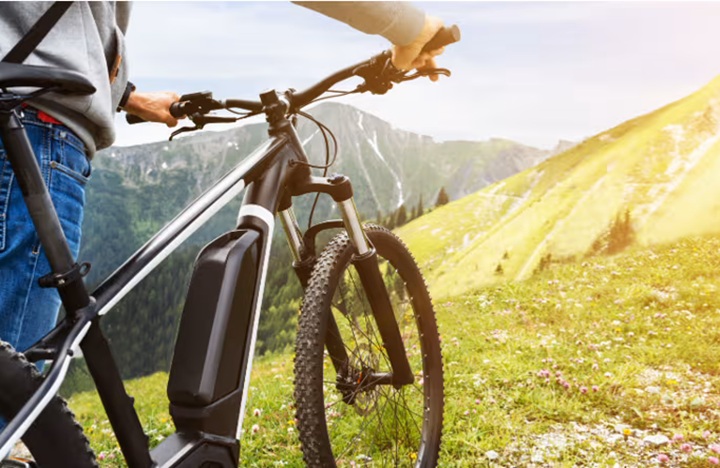
A robust electric mountain bicycle is an off-road bike equipped with an electric motor, rechargeable battery, and pedal-assist system that provides additional power while the rider pedals. Instead of replacing human effort, the system detects the rider’s input sensors and delivers assistance based on selected settings, helping maintain smoother movement across difficult surfaces.
The motor and battery work together as the foundation of the system. The motor provides extra force during demanding sections such as steep climbs, while the battery stores the energy required to power the assistance system over a chosen distance. Range depends on several factors, including battery capacity, terrain, rider weight, weather conditions, and the level of assistance being used.
Different designs are created for different riding conditions. Hardtail e-mountain bikes, featuring a front suspension, are often suited to lighter trails, gravel paths, and general off-road riding where efficiency is important.
Full-suspension designs include both front and rear suspension, offering improved comfort and control when handling rougher terrain. Performance-focused trail models are built around stronger components and more advanced systems for riders who regularly tackle challenging routes.
Matching these features to actual riding conditions allows riders to choose an electric mountain bicycle that delivers better efficiency, stability, and confidence across different trail environments.
Based on the Ride
The right electric mountain bike begins with understanding where and how the bike will be used. Riders exploring smoother trails may prioritise comfort, efficiency, and battery life, while those riding technical terrain may need stronger suspension, improved traction, and a more responsive motor system. Experience level also influences the ideal choice, as different designs provide different levels of control and capability.
Important factors include motor power, battery capacity, frame geometry, and suspension design. A balanced frame helps distribute weight between the rider and electrical components, improving stability and handling. Battery capacity affects how long assistance can be used before charging is required, while motor performance determines how effectively the bike responds to climbs and demanding sections.
Modern e-bikes often include digital displays and control interfaces that allow riders to monitor speed, distance, battery level, and assistance modes. These settings help customise the riding experience by allowing users to conserve energy on easier sections or increase support when facing steeper terrain.
Components That Matter Most
While the motor and battery are important parts of an electric mountain bike, other components determine how effectively the entire system performs. The frame provides the foundation for stability and durability, especially when riding over uneven surfaces where impacts and vibrations are common.
Suspension systems play a major role in maintaining control. Front suspension helps absorb impacts from obstacles, while full-suspension setups provide additional support by reducing movement transferred through the rear wheel. This improves traction and allows riders to maintain better contact with the ground during technical sections.
The drivetrain is responsible for transferring pedalling power to the wheels, making smooth gear changes especially important when climbing or adjusting to changing terrain. Braking systems are equally essential because assisted riding can increase speed and allow riders to travel. Reliable braking performance helps maintain control during descents, wet conditions, and sudden changes in the trail.
Weight distribution also influences handling. Since electric systems add additional components compared with traditional mountain bikes, careful placement of the motor and battery helps create a more natural riding feel. Durable materials, strong wheels, and suitable tyres all contribute to long-term reliability in demanding environments.
Before You Decide
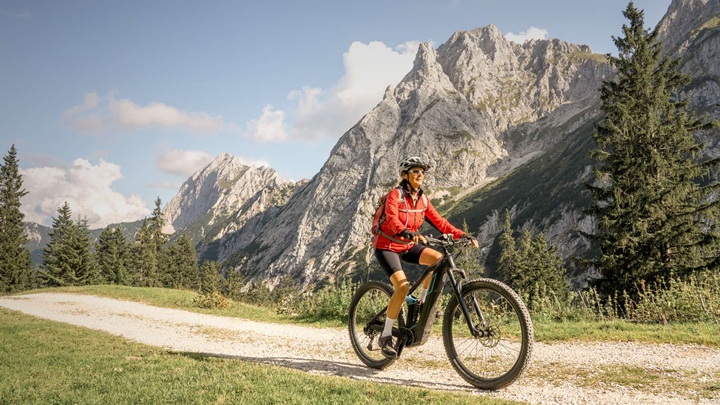
Before choosing a model, consider how the electric bike will fit into your current riding habits and future goals. A suitable setup should match the terrain you frequently explore, the level of assistance you need, and the amount of maintenance you are prepared to perform.
- Evaluate the terrain you ride most often to determine which suspension, tyre, and motor characteristics are most suitable.
- Consider component compatibility and future upgrades to ensure the bike can adapt as your riding preferences develop.
- Compare practical performance features rather than focusing only on specifications, as real-world usability often matters more than maximum figures.
Serviceability is another important consideration, as regular maintenance helps preserve performance and reliability. Checking the availability of replacement components and understanding basic care requirements can make ownership easier over time. Choosing based on long-term value rather than only initial features often leads to a more satisfying riding experience.
Where Peak Performance Arises
Electric-assisted mountain cycling continues to evolve, combining improved technology with the fundamentals of traditional trail riding. The right bike can provide additional confidence on climbs, greater endurance on longer routes, and improved accessibility across different environments.
Understanding how motors, batteries, suspension systems, and frame designs work together allows riders to make informed choices based on their personal needs.
As technology continues to advance, electric mountain bikes are becoming increasingly refined, offering a smoother connection between rider effort, terrain, and performance. The result is a more adaptable approach to exploring trails while maintaining the excitement and skill that make mountain cycling unique.