RC Cars Guide: How to Choose the Perfect Model for Every Age
Forget everything you know about standard childhood toys, as modern RC cars are pure, scaled-down adrenaline. Their massive popularity is fuelled by the addictive rush of controlling a machine capable of blasting past 60 mph, drifting around tight corners, or clearing massive backyard jumps. But the real magic happens off the track. RC cars offer a deeply satisfying, hands-on escape where you are the driver, mechanic, and engineer. From upgrading internal electronics to tuning suspension setups, it replicates the thrill of real-world automotive culture. However, with so many options available, it can be challenging to understand which type is right for you.
Places to Shop
Whether you are a passionate hobbyist or buying for the first time, choose a reliable RC car shop. It can make a big difference to your overall experience. While large online marketplaces may offer plenty of options, specialist hobby retailers often provide greater product knowledge, a wider range of models, and access to replacement parts when needed. For beginners, having expert guidance can help take the guesswork out of choosing the right vehicle.
A good RC hobby store should stock a variety of products, from beginner-friendly ready-to-run models to advanced kits for experienced enthusiasts. Many dedicated retailers also carry RC trucks, boats, aircraft, electronics, batteries, chargers, tools, and spare parts, making them a convenient one-stop destination for hobbyists. Having access to replacement components is particularly important, as repairs and upgrades are a natural part of the RC experience.
Another factor worth considering is product availability. A hobby shop with large inventories and livestock updates can make it easier to find the model or accessory you need without lengthy delays. Fast shipping options and reliable customer support can also improve the buying experience, especially when you’re eager to get your new RC car out on the track or trail.
Many hobbyists also value stores that foster a sense of community. Whether through customer support, online groups, racing resources, or expert advice, a good RC car shop can help newcomers learn the basics and assist experienced drivers with maintenance, upgrades, and troubleshooting. Enthusiasts often highlight the importance of buying from retailers that provide ongoing support and easy access to spare parts, as this can save time and frustration in the long run.
Popular Types
RC cars come in a variety of styles, each designed to deliver a different driving experience. Understanding the most popular types can help you choose a model that matches your interests and preferred terrain.
On-Road RC Cars
Built for speed and smooth handling, on-road RC cars are designed to perform best on paved surfaces such as driveways, car parks, and racing tracks. Their low profile and responsive steering make them a favourite among racing enthusiasts.
Off-Road RC Cars
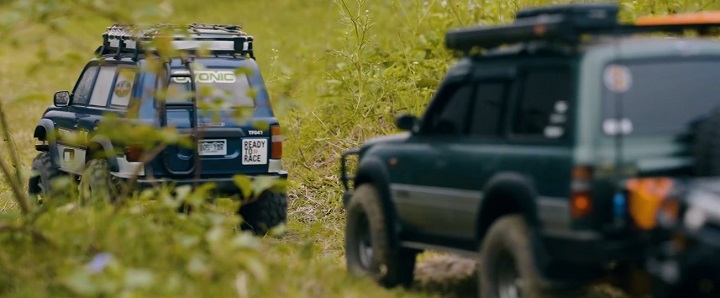
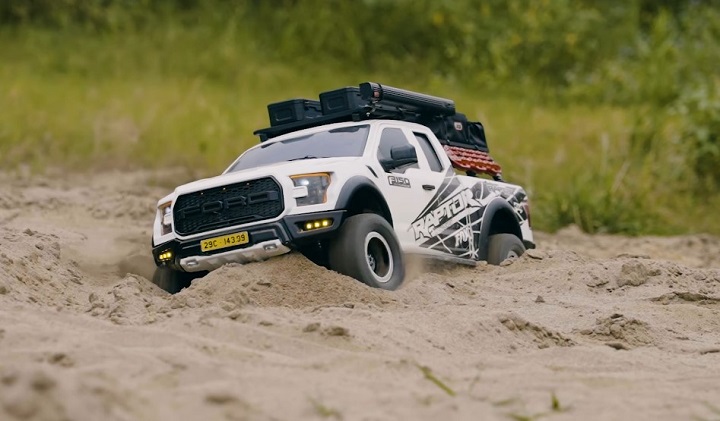
Off-road models are made to tackle rough terrain, including dirt, grass, gravel, and uneven trails. With larger tyres, increased ground clearance, and durable suspension systems, they are ideal for adventurous drivers who enjoy exploring beyond smooth surfaces.
RC Trucks
RC trucks combine power and versatility, making them one of the most popular choices for hobbyists. They can handle a variety of terrains while offering impressive durability and performance. Many drivers appreciate their ability to balance speed with off-road capability.
RC Buggies
Buggies are known for their lightweight design and agile handling. Suitable for both racing and recreational driving, they perform well on dirt tracks and mixed terrain, making them a popular all-round option.
Rock Crawlers
Designed for precision rather than speed, rock crawlers excel at climbing over rocks, obstacles, and challenging landscapes. Their specialised suspension systems and high-traction tyres allow them to navigate terrain that would stop most other RC vehicles.
Electric vs. Nitro RC Cars
One of the biggest decisions RC enthusiasts face is choosing between electric and nitro-powered models. Electric alternatives are generally easier to use, quieter, and require less maintenance, making them a popular choice for beginners and casual hobbyists. They also offer instant power and convenient battery charging.
Nitro designs, on the other hand, run on fuel and deliver a more realistic driving experience, complete with engine noise and exhaust. While they can be exciting to operate, they require more maintenance and tuning. The right choice ultimately depends on your experience level, budget, and driving preferences.
Important Features to Consider
When shopping for an RC car, it’s easy to focus on speed alone, but several other features can impact performance and overall enjoyment. Taking the time to compare these details can help you find a model that suits your skill level and driving style.
Speed and Power
Different models are designed for different purposes. Some prioritise high speeds for racing, while others focus on climbing, durability, or all-terrain performance. Consider where and how you plan to drive before choosing yours.
Battery Life
For electric RC cars, battery capacity plays a major role in driving time. A larger battery generally allows for longer sessions before recharging, which can make your time behind the controls more enjoyable.
Durability
RC cars are built to handle plenty of action, but some models are tougher than others. Reinforced components, strong suspension systems, and quality materials can help a vehicle withstand bumps, jumps, and rough terrain.
Spare Parts Availability
Accidents and wear are part of the hobby, so easy access to replacement parts is important. Choosing a model with readily available spares can make repairs and upgrades much simpler.
Ease of Maintenance
Some RC cars require more upkeep than others. Beginners often benefit from models that are straightforward to clean, maintain, and repair, helping them spend more time driving and less time troubleshooting.