Why a 2-Person Spa Could Be Your Home’s Next Wellness Upgrade
Home wellness has shifted dramatically in recent years. Instead of oversized installations that demand large backyards and high running costs, many homeowners are choosing compact, efficient solutions that deliver the same, or even better, relaxation benefits. That’s where a spa pool for 2 people comes in. Designed for connection, recovery, and everyday indulgence, these smaller units are redefining what it means to bring the spa experience home.
More than just a space-saving alternative, a dual-occupancy spa offers something larger models sometimes lose: intimacy. Whether it’s a quiet evening with your partner, a post-work decompression ritual, or a mindful solo soak, the scale naturally encourages presence and conversation. It transforms hydrotherapy from a party feature into a lifestyle upgrade.
Benefits of a 2-Person Spa
Space Efficiency
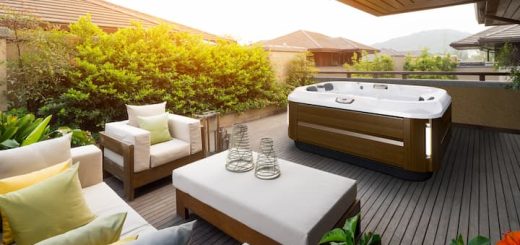
Not every home has the footprint for a full-sized spa, and that’s perfectly fine. A compact 2 person spa design fits beautifully on balconies, small patios, courtyards, and even inside large master suites or indoor wellness rooms. Its smaller dimensions make it easier to integrate into existing architecture without major renovations, allowing homeowners to create a dedicated relaxation zone in spaces that would otherwise go unused.
Economic Advantage
One of the most compelling reasons people consider a 2 person hot tub is cost, upfront and long-term. A smaller unit typically means a lower purchase price, making it an accessible entry point into hydrotherapy.
But the savings don’t stop there:
- Less water is required to fill the spa
- Fewer chemicals are needed to maintain balance
- Lower energy consumption reduces monthly utility bills
Heating a compact volume of water is significantly more efficient, which becomes especially important in cooler climates where energy use can quickly add up.
Hydrotherapy Focus
Because these spas are designed for fewer users, manufacturers often prioritise jet placement over sheer jet count. That means more targeted hydrotherapy for the back, shoulders, hips, and legs. Instead of competing for the “best seat,” each bather gets a purpose-built massage experience. For homeowners using their spa for muscle recovery, stress relief, or chronic tension, this focused approach can be more effective than larger models.
Key Types of 2-Person Spas
Portable
These are the premium options. Built from durable acrylic and supported by high-density insulation, they offer excellent heat retention, powerful jet systems, and long-term reliability. A 2 seater spa pool in this category often includes ergonomic seating, LED lighting, and advanced control panels, delivering a true luxury experience in a compact form.
Inflatable Spas
For renters, seasonal users, or first-time buyers, inflatable models provide a flexible and budget-friendly alternative. They’re easy to install, simple to store, and surprisingly comfortable. While they don’t match the power and insulation of hard-shell units, they’re a fantastic way to experience the benefits of hot water therapy without a permanent commitment.
Design & Layout Options
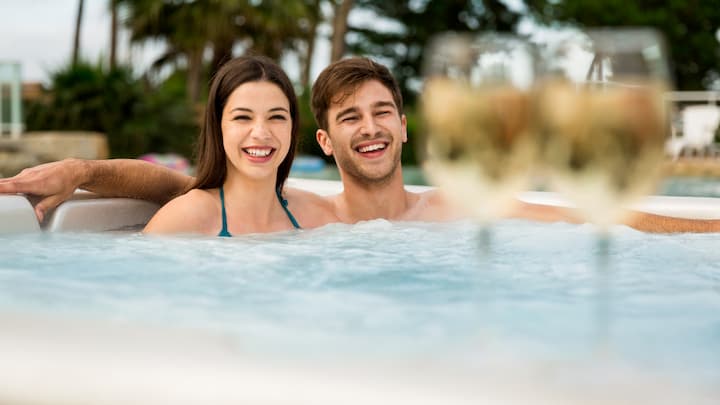
Choosing the right interior layout is just as important as selecting the exterior size.
Lounge Seat vs. Upright Seating
A lounge seat offers a fully reclined position, ideal for full-body hydrotherapy and deep relaxation. It’s perfect for those who want to stretch out and let the jets work from shoulders to calves. Upright seating, on the other hand, provides more legroom and flexibility. This configuration is better for conversation, varied seating positions, and users of different heights.
Face-to-Face vs. Side-by-Side
The orientation of the seats shapes the entire experience. Face-to-face layouts encourage conversation and connection, making the spa feel social and intimate. Side-by-side seating allows users to enjoy the same view and often creates a more compact footprint.
Triangular and Corner Units
For tight spaces, triangular models are a game-changer. They tuck neatly into architectural corners, maximising floor area while still providing a full hydrotherapy experience. These designs are especially popular in urban homes where every square meter matters.
Essential Features to Look For
Jet Quality and Customisation
When evaluating a 2 person hot tub, focus on adjustable jets rather than the total number of jets. Being able to control pressure and direction allows each user to tailor the massage to their body’s needs.
Filtration and Sanitation
Modern systems go far beyond basic filtration. Look for ozone purification, UV-C sanitation and easy-access filter compartments. These features keep water crystal clear while reducing chemical dependency and maintenance time.
Insulation Standards
If you plan to use your spa year-round, full-foam insulation is essential. It locks in heat, improves energy efficiency, and protects internal components from temperature fluctuations.
Lighting and Aromatherapy
Wellness is a sensory experience. Integrated LED lighting creates a calming night-time atmosphere, while aromatherapy systems infuse the water with soothing scents that elevate relaxation into a ritual.
Redefining the Home Spa
A compact spa might have a smaller footprint, but its impact on daily life can be enormous. It turns an overlooked patio into a private retreat, a quiet corner into a recovery zone, and an ordinary evening into a shared experience.
The beauty of the 2 person spa is that it suits a wide range of homeowners. It’s ideal for couples who want to reconnect without distractions, empty nesters looking to invest in health and comfort, and urban dwellers who need a wellness solution that respects limited space.