Creatine Explained: Benefits, Uses, and How to Take It Safely
Have you ever thought about how the right gym supplements make a difference in your training? From protein powders to pre‑workouts, they’re all made to give your body additional support for strength, recovery, and endurance.
One of the most trusted and effective options out there is creatine. This supplement is known to boost energy, support muscle growth, and enhance overall performance.
The Lowdown on the Effects of Creatine

If you’re here, chances are you’re either starting your gym journey or curious about the world of gym supplements. Either way, you’re doing the right thing by being cautious about what you’re putting in your body. Bodybuilding supplements have come a long way. Now they’re designed to target specific goals and deliver results with precision.
Beyond a solid gym protein supplement, you can strengthen your routine by adding creatine, the powerhouse workout supplement. Together, they give you the fuel and recovery edge, but the real gains come from consistent training, smart nutrition, and rest. So, think of them as support tools, not shortcuts to your final destination.
What Is Creatine?
Creatine is a natural compound found in your muscles, built from amino acids like glycine and arginine. Most of it is stored in your muscle cells as phosphocreatine, while a small amount, around 5%, is found in your brain and other tissues. Think of it as energy on standby waiting to be released to drive your performance when called upon.
If you don’t work out, your body gets just enough creatine from foods like red meat and seafood, and even produces some on its own. However, if you’re an athlete or building muscle, taking creatine workout supplements will push your levels higher.
Creatine fuels your muscles during those workout sessions or short bursts of intense effort, such as heavy lifts and sprints. It’s not a miracle powder that will help you build muscle overnight, but it’s one of the most studied and proven supplements on the market.
What Does It Do?
Here’s how creatine earned its reputation. By increasing phosphocreatine reserves, your body starts to produce more ATP (adenosine triphosphate), the energy currency that energises every rep, sprint, and set. In bodybuilding terms, ATP translates to quicker recovery between sets, shorter rest periods, and the capacity to train harder.
With time, you’ll start noticing that you’re becoming stronger, more toned and have better endurance. Creatine can also make muscle fibre growth faster when paired with resistance training.
So here’s the deal: you’ve got the tool, now it’s on you to use it. Creatine won’t lift the bar for you, but it will give you the edge to push harder, recover faster, and grow stronger. Stay consistent, and let your results do the talking.
Potential Health Benefits
Creatine offers benefits that extend beyond building muscle and staying fit. Here are some additional potential health benefits of this workout supplement:
- Helps exercise recovery: You may find creatine helpful in easing muscle soreness, stiffness, and fatigue while allowing you to regain strength and movement faster. It may also support recovery after endurance workouts by reducing inflammation and protecting your muscles.
- Supports fat reduction: By helping you build lean muscle, creatine can raise your metabolism. Older adults who use creatine along with strength training can expect to lose more body fat than those who don’t.
- Improves mood: This workout supplement may improve brain energy use and neuroplasticity, and when paired with antidepressants, it lowers depression symptoms. Women, who often have lower creatine levels in the frontal lobe, may find creatine very beneficial for their mental health.
- Reduces mental fatigue: Creatine users may experience sharper cognition, better reaction time, and reduced brain fog. Research links these bodybuilding supplements with improved memory, processing speed and even better intelligence test scores.
- Helps manage diabetes: This supplement may enhance glucose uptake in muscles, which is known to improve blood sugar control when combined with exercise. Some studies even suggest effects comparable to prescription treatments, but the research is still too limited to confirm this as fact.
- Supports heart health: As the heart relies on ATP, creatine helps provide the needed energy supply. There are studies on how creatine helps cardiac function, endurance, and lowers triglycerides in older adults, specifically, or those with heart conditions.
- Protects against neurological diseases: By restoring phosphocreatine in the brain, users may slow down the progression of conditions like Huntington’s, ALS, and Alzheimer’s.
- Reduces fatigue: Creatine supplementation can lower dizziness, tiredness, and give you greater energy levels, even under sleep deprivation or brain injury recovery.
We’re not talking about just another gym supplement. Creatine is a proven way to push harder, recover faster, and build real strength. You’ll find plenty of gym supplements online, but going with creatine is a good way to start. If you’re serious about performance, this is the edge you’ve been looking for.
How to Take Creatine
Knowing how to take creatine can be a game-changer for results. From timing to dosage, here’s a quick guide to using creatine the right way.
What Is Creatine Loading?
Loading means starting with a larger dose, then switching to a smaller daily amount to maintain results. With creatine, the loading dose is 20 grams daily for 5 to 7 days. However, even though doing so is safe, it’s not really necessary.
Practice shows that after about 30 days of steady use, your strength gains will be the same whether you had a loading dose or not. Yes, loading can be useful if you want faster results, but for most people, skipping to a daily dose works just fine.
When To Take Your Supplements
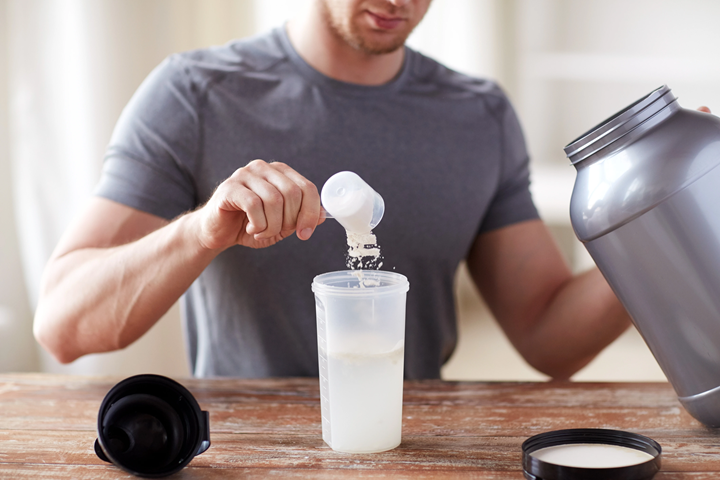
Some people take creatine before workouts to boost energy and muscle contractions. Others prefer it after training, when muscles are tired and ready to absorb nutrients. You can play around and see what works best for you. You can take it anytime, just like your protein, and it works as long as you’re consistent.
How Much Creatine Should You Take?
The recommended dose is 3-5 grams per day. If you decide to start with the loading, split 20 grams into four servings with meals for a week, then drop from 3 to 5 grams daily with a glass of water.
Final Thoughts
Gym supplements are the fuel station on your fitness journey, and when paired with hard work and smart nutrition, they give you better results. Creatine is an example of how supplements for the gym can give you extra strength, faster recovery, and better results. If you’re ready to step up, you can buy gym supplements and keep pushing toward your goals.